Hormonal Havoc: The Silent Erasure of Women’s Pain
The G-string on my harp is slightly flat, a dull, metallic thrum that vibrates against my palm and echoes the low-grade throb behind my left eye. It is 4:46 PM. I started a strict, no-sugar, no-joy diet at exactly 4:06 PM today, and I am already reconsidering every moral conviction I have ever held in favor of a chocolate bar. This is the reality of the luteal phase-a time when my body feels like a foreign country undergoing a violent coup, and yet, I am sitting here in a hospice ward, trying to provide a ‘peaceful transition’ for a man who hasn’t spoken in 26 days. My head is screaming, my joints feel like they’ve been filled with 106 tiny shards of glass, and my mood is oscillating between profound grief and the urge to throw my instrument out a window.
The Atmospheric Condition
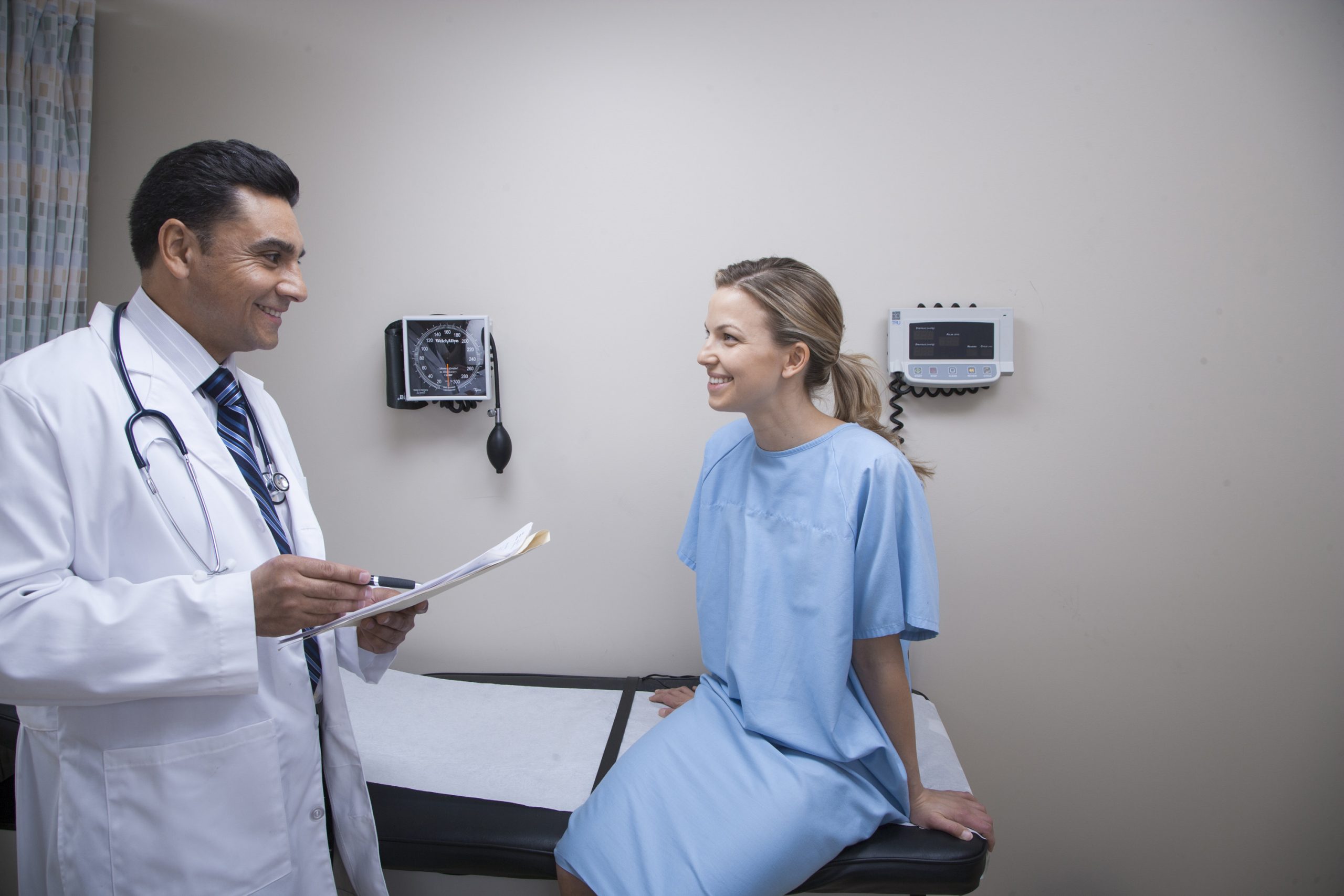
When I mentioned this to my primary care physician last month, she didn’t even look up from her clipboard for 6 seconds. She told me it was ‘very common for women your age’-I am 46-and offered me a low-dose birth control pill or perhaps a mild antidepressant. The message was clear, vibrating in the sterile air of the exam room: your suffering is a biological tax you must pay for the crime of having ovaries. It isn’t a medical problem; it’s